Navigating Oceanside Real Estate: Insights from a Local Agent’s Experience

I’ve been a licensed real estate agent in Oceanside for over a decade, and in that time, I’ve seen the market swing in ways that can surprise even seasoned homeowners. When I first started, I worked with a couple looking for a beachside real estate agents in Oceanside budget. They had been struggling with online listings that promised “dream homes” but were either overpriced or had hidden issues. Walking them through actual neighborhoods and helping them prioritize location versus amenities turned out to be far more effective than any search algorithm.

3 Best Real Estate Agents in Oceanside, CA - Expert Recommendations

One thing I’ve consistently noticed is how often clients underestimate the nuances of local property trends. For instance, last summer I helped a family relocate from inland California. They initially focused only on square footage, but after touring several properties near Mission San Luis Rey, they realized that proximity to schools and public transit was more valuable for their lifestyle than an extra bedroom. By guiding them through these real-world considerations, they ended up with a home that felt like it belonged to them from day one.

In my experience, choosing the right agent can make or break the buying process. I remember a customer last spring who had been burned by an agent who promised to handle negotiations personally but left them to fend for themselves when a bidding war erupted. From that point on, I made it a point to ensure my clients understand each step—whether it’s inspecting a property, evaluating comparable sales, or assessing the hidden costs of homeownership. This hands-on approach often saves people thousands of dollars and weeks of stress.

I’ve also encountered sellers who underestimated the importance of staging and presentation. One homeowner wanted to sell quickly and skipped decluttering and minor repairs. When I suggested simple adjustments—fresh paint, landscaping tweaks, and better lighting—they were skeptical. The home sold within two weeks at a price higher than initially anticipated. Experiences like this reinforce why local insight and practical guidance are irreplaceable in real estate.

Beyond the transactions themselves, my role often extends into being a neighborhood guide. Oceanside has pockets that appeal differently depending on lifestyle—some areas are perfect for retirees seeking quiet streets, others attract young professionals wanting walkable access to restaurants and surf spots. Helping clients weigh these factors, sometimes over multiple visits, makes the process feel more like discovering a community rather than just a property.

In reflecting on my years in Oceanside real estate, I’ve realized that successful transactions are rarely about speed or flashy listings. They’re about understanding what truly matters to the person on the other side of the deal. A property becomes a home when practical needs, personal values, and local knowledge intersect. As someone who’s walked countless clients through this journey, I’ve found that patience, transparency, and a willingness to share hands-on experience make the difference more than any online tool or marketing pitch ever could.

How Fire Watch Guards Became Essential on My Industrial Job Sites

I’ve worked for more than ten years as a plant operations manager in heavy manufacturing, overseeing facilities that run hot, loud, and around the clock. In environments like that, even small changes carry risk. That’s why I stopped treating Fire Watch Guards as a temporary inconvenience and started viewing them as a necessary layer of protection whenever normal safeguards are disrupted.

Fire watch Security Guards: Ensuring Safety

One of the earliest wake-up calls came during a scheduled shutdown of a suppression system in one of our older buildings. The plan was simple: isolate the system overnight, finish the work, and restore it before morning shift. What wasn’t simple was the reality on the floor. Machines were still cooling down, maintenance crews were welding in confined spaces, and temporary ventilation was running harder than usual. The fire watch guard on duty noticed heat lingering longer than expected near a duct run that had collected years of dust. Work paused, the area was cleaned, and the schedule slipped slightly. That delay cost us a few hours. A fire would have cost us weeks.

In industrial settings, fire risks rarely come from obvious flames. They come from friction, residue, and assumptions. I once watched a contractor insist a grinding operation was safe because it was “routine.” The fire watch guard disagreed and pointed out sparks traveling farther than expected due to airflow from nearby fans. Barriers were adjusted, and the task finished without incident. That kind of judgment doesn’t come from a rulebook; it comes from seeing how things actually behave under real conditions.

A common mistake I’ve encountered is assuming supervisors can handle fire watch responsibilities alongside their normal duties. I’ve tried it. It doesn’t work. Supervisors are focused on production targets, staffing issues, and keeping equipment running. Fire watch requires uninterrupted attention. Dedicated guards notice the subtle stuff—an unusual vibration, a smell that doesn’t belong, a door that’s always closed suddenly being propped open.

Another issue I see is underestimating how quickly conditions shift after a shift change. A space that’s safe at 5 p.m. can look very different by midnight once cleaning crews, maintenance teams, and delivery drivers cycle through. Experienced fire watch guards adjust their patrols as activity patterns change. They don’t rely on habit; they rely on observation.

From my side of operations, the most effective fire watch coverage happens when guards are treated as part of the team. We brief them on hot work schedules, equipment cooldown times, and known trouble spots. In return, they flag things we overlook because we’re too close to the process to notice gradual changes.

After years of managing facilities where a single incident can halt production, my view is practical. Fire watch guards protect the narrow windows when systems are offline and margins are thin. Their work doesn’t show up in output reports or maintenance logs, but it shows up in uninterrupted operations and quiet nights. In an industrial setting, that kind of reliability is worth far more than people realize.

Why Recovery in Langley Often Starts by Changing How You Move, Not How Much You Do

I’ve been working as a registered physiotherapist in the Fraser Valley for many years, and most people who begin looking into physiotherapy in Langley aren’t dealing with a fresh injury. In my experience, they’re dealing with something that lingered just long enough to become part of daily life. Pain that eased but never fully left. Stiffness that only showed up after long drives or busy workdays. Movements that slowly became cautious without anyone noticing when the shift happened.

I remember a patient who came in after months of shoulder discomfort they described as “annoying, not serious.” What stood out wasn’t the pain itself, but how they avoided lifting their arm away from their body, even for light tasks. That protective habit made sense early on, but months later it was reinforcing the problem. Once we addressed how they moved—not just what hurt—the shoulder finally started settling down.

What hands-on physiotherapy actually pays attention to

A lot of people expect physiotherapy to begin with exercises. In reality, the most valuable information often comes from watching. How someone walks into the clinic, how they sit down, how their breathing changes under light effort—all of that tells me far more than a checklist of symptoms.

I once worked with someone dealing with recurring calf tightness who assumed it was a flexibility issue. The calf wasn’t the root cause. The problem showed up only after several minutes of walking, when fatigue changed how their ankle loaded. Once we corrected that movement pattern, the tightness eased without aggressive stretching. Treating what feels tight doesn’t always solve what’s actually driving it.

Common mistakes I see before people seek care

One of the most frequent mistakes is waiting because pain feels manageable. Many people ignore stiffness, weakness, or hesitation because it doesn’t stop them outright. By the time pain becomes impossible to ignore, the body has often been compensating for months, and those habits are harder to undo.

Another issue is doing too much too soon. I’ve had patients tell me they doubled their exercises because they felt motivated and wanted faster results. That enthusiasm often backfires. Progress usually comes from applying the right amount of stress consistently, not from pushing through discomfort.

Why experience shifts the focus away from pain alone

Early in my career, I paid close attention to pain levels. Over time, I learned to watch behaviour instead. Do people pause before bending? Do they brace before turning? Those small hesitations matter, even on days when pain feels low.

I worked with a client recovering from an ankle injury who insisted they were almost back to normal. What gave it away was how they always stepped down with the same foot first. Once we addressed that guarded movement, balance and confidence improved quickly. Pain reduction alone wouldn’t have fixed it.

Being realistic about what physiotherapy can and can’t do

I’m upfront when physiotherapy isn’t the full answer. Sometimes rest is still needed. Sometimes medical follow-up or imaging comes first. I’ve advised people to pause treatment when their body clearly needed recovery rather than more input.

But when lingering pain, stiffness, or repeated flare-ups are shaping daily decisions, guided physiotherapy can help restore trust in movement. The goal isn’t perfection or never feeling discomfort again. It’s being able to move through the day without constantly negotiating with your body.

After years of working with people in Langley, I’ve learned that real recovery rarely arrives in a dramatic moment. It shows up quietly—one easier morning, one smoother walk, one day where you realize you didn’t think about your body at all. That’s usually when people know they’re finally moving forward again.

What Actually Moves the Needle in Marketing for Cleaning Companies

I’ve spent the last decade working almost exclusively with residential and commercial cleaning companies—solo operators, family businesses, and multi-crew outfits juggling growth pains. Early on, after watching one too many great cleaners struggle to stay booked, I started pointing owners toward clearer, more practical marketing systems like the ones outlined at MarketingForCleaningCompanies.com, because most of the problems I was seeing weren’t about effort. They were about focus.

Marketing for Cleaning Companies | WorkWise Business Solutions

One of my first long-term clients was a small residential cleaner who did excellent work but relied almost entirely on word of mouth. When a few long-term clients moved away within the same season, her calendar suddenly had holes she’d never dealt with before. She tried boosting Facebook posts and printing door hangers on her own, but nothing stuck. What helped wasn’t more activity—it was understanding how customers actually find and choose cleaning services, and building marketing around that reality instead of guesswork.

After years of campaigns, wins, and expensive mistakes, I’ve learned that cleaning company marketing lives or dies on clarity. Homeowners don’t want clever slogans. Property managers don’t want vague promises. They want reassurance that you show up, do what you say, and won’t disappear after the first job. Your marketing has to quietly communicate that before they ever call you.

I’ve also seen what doesn’t work. I once audited ads for a commercial cleaner who was spending several thousand dollars a month driving traffic to a homepage that didn’t say what cities they served until halfway down the page. Calls were coming in, but half were from outside their service area. Nothing was technically broken—but money was being burned because the marketing wasn’t aligned with how real people skim and decide.

Another common mistake I see is copying what big franchises do. A local cleaner with three crews doesn’t need the same messaging as a national brand. One janitorial company I worked with leaned hard into “we clean everything” language. When we narrowed the focus to medical offices and explained why they were trusted in that environment—things they already did daily—the close rate changed almost immediately. Same team, same pricing, different positioning.

Experience has also taught me that consistency matters more than cleverness. I’ve watched cleaners jump from one tactic to another every few weeks—Google ads one month, Instagram the next—never long enough to learn what’s actually working. The companies that grow steadily tend to pick a few channels, understand them deeply, and refine instead of restarting.

There are details you only notice after being in this niche for years. Seasonal slowdowns aren’t random. Residential leads spike differently than commercial ones. Reviews don’t just influence rankings—they change how forgiving a prospect is when you miss a call. And pricing signals matter: too cheap raises suspicion, too vague causes hesitation. Good marketing accounts for those subtleties instead of ignoring them.

I’m opinionated about this because I’ve seen the alternative. Talented cleaners working harder than necessary, underpricing themselves, or blaming “competition” when the real issue was that their marketing never explained why they were the safe choice. When marketing reflects how cleaning businesses actually operate day to day, it stops feeling like an expense and starts acting like infrastructure.

Marketing for cleaning companies isn’t about tricks. It’s about translating reliable, unglamorous work into messages that make sense to the people hiring you—and doing it in a way you can sustain month after month without burning out.

Life as a Commercial Refrigeration Contractor Inside Real Operating Spaces

I’ve spent more than a decade working as a commercial refrigeration contractor, mostly in restaurants, grocery stores, food production facilities, and cold storage environments where temperature control isn’t optional—it’s the business itself. Refrigeration problems don’t arrive gently. They show up as alarms, soft product, or staff scrambling to save inventory. Over time, you learn that most of those emergencies were quietly forming long before the call came in.

One of the first projects that reshaped how I approach refrigeration work involved a small grocery store that kept losing product in one walk-in cooler while the rest of the system seemed fine. Multiple service calls had focused on sensors and controls. When I inspected the space, the real issue was airflow. Shelving had been rearranged over time, blocking return paths and creating warm pockets that fooled the thermostat. The refrigeration system was doing exactly what it was told—it just wasn’t seeing the whole picture. Reworking airflow solved a problem that had cost the owner thousands over the previous year.

Commercial refrigeration systems are brutally honest machines. They don’t tolerate neglect or shortcuts for long. I’ve worked on freezers that ran nonstop because condenser coils were buried in dust and grease. I’ve seen evaporators ice over repeatedly because defrost settings were never adjusted after equipment loads changed. In one case, a production facility added new prep equipment without revisiting refrigeration capacity. The system wasn’t undersized on paper, but real-world usage had outgrown it. The symptoms looked like failure, but the cause was mismatch.

A mistake I see often is assuming refrigeration failures are always mechanical. Compressors get blamed quickly, even though they’re often reacting to another issue—poor airflow, failing fans, low refrigerant from an undetected leak, or electrical problems upstream. I remember a walk-in freezer where the compressor had been quoted for replacement twice. The actual problem turned out to be a contactor that was overheating and intermittently dropping voltage. Fixing that stabilized the system and saved a replacement that would never have addressed the root cause.

Another recurring issue is pushing equipment through warning signs. Operators notice longer run times, louder operation, or slow temperature recovery and keep going because the box is “still cold enough.” By the time the call comes in, the system is already stressed. I’ve seen compressors damaged beyond recovery because refrigerant leaks were topped off instead of repaired, and fans burn out because airflow restrictions were ignored for months.

Being a refrigeration contractor also means understanding how people use equipment, not just how it’s built. I’ve had honest conversations with managers who were frustrated by repeated failures, only to realize doors were being propped open during prep or units were being overloaded beyond their design. Refrigeration systems can compensate for a lot, but not indefinitely. Once usage patterns change, many “chronic” problems disappear.

I’m also cautious about temporary fixes. There are times when stabilizing a system to protect product makes sense. There are other times when forcing equipment to run risks permanent damage. Knowing the difference comes from experience and from having seen how small compromises turn into major failures later.

After years of working in mechanical rooms, back corridors, and walk-in boxes, my perspective is steady. A good commercial refrigeration contractor doesn’t just react to failures. They look for why the system is struggling, how the space has changed, and where small issues are compounding. When those questions are answered honestly, refrigeration becomes predictable again—and predictability is what keeps businesses running without constant crisis.

Orthodontist in Monmouth County, NJ — What I’ve Learned After Years in the Chair

I’ve spent over a decade working as an Orthodontist in Monmouth County, NJ, and if there’s one thing I’ve learned, it’s that no two patients walk through the door with the same concerns—even when they think they do. Whether someone is coming in for their first consultation as a teenager or finally addressing long-standing alignment issues as an adult, the questions and expectations are shaped by real life, not textbook examples.

Orthodontist Monmouth County NJ | Invisalign & Braces

Early in my career, I assumed most people cared primarily about how straight their teeth would look at the end. Experience corrected that quickly. A parent once brought in their son after switching practices because his braces kept breaking during lacrosse season. Another patient, a working professional, worried less about appearance and more about speech clarity during meetings. Those conversations changed how I approach treatment planning. Being an orthodontist in Monmouth County means balancing clinical precision with the realities of school schedules, commutes, sports, and work demands.

I’ve found that many people underestimate how much the initial consultation matters. I’ve seen patients arrive after being told elsewhere that they “just need braces,” without any discussion of jaw alignment, bite pressure, or long-term stability. In my own practice, I slow that part down. I remember a case from a few years ago where minor crowding masked a deeper bite imbalance. Addressing only the visible issue would have created problems down the line. That’s the kind of decision that only comes from seeing outcomes years later, not weeks.

One common mistake I still encounter is assuming all orthodontic options work the same way. Clear aligners, for example, can be effective, but they aren’t automatic solutions. I’ve treated patients who came in frustrated after aligners failed simply because compliance wasn’t realistic for their lifestyle. In those situations, I’m honest—even if it means recommending against a popular option. Long-term results matter more than convenience in the short term.

Practicing in this area has also taught me how different adult orthodontics can be. Many adults carry old dental work, shifting teeth, or jaw tension they’ve adapted to over time. I’ve had patients tell me they thought discomfort was “just normal.” It isn’t. Correcting alignment often improves chewing efficiency, reduces uneven wear, and eases strain people didn’t realize they were carrying for years.

What I appreciate most about being an orthodontist in Monmouth County, NJ is the continuity. I’ve treated siblings years apart, and now I’m seeing some former teenage patients bring in their own kids. That long view reinforces why careful planning and honest guidance matter. Orthodontics isn’t about rushing to an end result—it’s about setting someone up for decades of comfort and function.

After years of hands-on work, I trust experience more than trends. Straight teeth are part of the goal, but stability, comfort, and realistic expectations are what define successful treatment in the long run.

Professional Towing Services, Seen From the Driver’s Seat

I’ve spent more than ten years working in professional towing services, mostly on the road and occasionally behind a desk when paperwork catches up with me. Most of my education didn’t come from manuals or certifications, though I earned those along the way. It came from standing on the shoulder at two in the morning, traffic whipping past, trying to solve a problem for someone who didn’t plan on their day ending like this.

Benefits Of Hiring A Professional Towing Company In 2022 | Blog

Early in my career, I learned how quickly a simple tow can turn complicated. One winter evening, I responded to what was described as a “dead car” in a grocery store parking lot. When I arrived, the vehicle was locked in park with the front wheels turned hard against a curb. The owner had already called another company that showed up without dollies and left. We spent extra time repositioning the truck, protecting the transmission, and easing it out without damage. That job taught me that professional towing isn’t about brute force or speed. It’s about judgment.

After years in the field, I’ve found that the biggest difference between a professional towing service and a cheap alternative shows up in moments like that. Anyone with a hook can move a car. Knowing how to move it without creating a second problem takes experience.

I still remember a roadside call last spring involving a loaded pickup with a trailer attached. The engine had overheated on a long incline, and the driver was convinced it needed a heavy-duty wrecker. From what I could see, the truck itself was fine to tow conventionally, but the trailer changed everything. We disconnected it safely, arranged a separate transport, and towed the truck without overstressing the frame. The customer later told me another operator had suggested dragging the whole setup at once. That would’ve been faster, but it also could’ve bent the hitch or worse.

Those situations shape how I think about professional towing services. Good towing is often invisible. When it’s done right, the vehicle arrives intact, and the customer never realizes how many things could’ve gone wrong.

One of the most common mistakes I see people make is focusing only on price during a breakdown. I understand the instinct. When your car won’t start, you’re already frustrated and worried about costs. But I’ve responded to several jobs where a low-cost tow earlier in the day caused more damage than the original breakdown. Bent control arms, scraped bumpers, and overheated transmissions are problems I’ve seen firsthand from improper towing methods.

From my perspective, professional towing services earn their value through preparation. A properly equipped truck, a driver who understands vehicle types, and a willingness to slow down when the situation demands it all matter. Flatbeds, wheel-lift trucks, dollies, and recovery gear aren’t interchangeable tools. Knowing which one to use is part of the job.

Experience also teaches you when not to tow. I’ve advised customers to wait for a battery replacement or roadside repair instead of towing, even though it meant less revenue for us. One driver was stranded in a well-lit shopping center with a weak battery. Towing him across town would’ve cost a few hundred dollars. A jump and a short drive to a parts store solved it. Professional judgment sometimes means talking someone out of a tow.

Over the years, I’ve also learned how emotional these moments can be for people. I’ve towed vehicles after accidents, breakdowns during family trips, and late-night emergencies. One call involved a parent stuck on the side of the highway with kids in the back seat, exhausted and scared. The technical part of the tow mattered, but so did keeping the situation calm and predictable. That’s something no equipment can replace.

Professional towing services, at their best, are a mix of mechanical knowledge, situational awareness, and restraint. The goal isn’t just to move a vehicle from point A to point B. It’s to protect it, minimize stress, and avoid making a bad day worse. After a decade in this work, that’s the standard I measure every tow against.

Dumpster Rental in Sacramento, CA: What Years on Local Jobs Have Shown Me

I’ve spent more than ten years working in waste hauling and site logistics throughout Northern California, and Dumpster Rental in Sacramento, CA consistently reveals how much regional nuance matters. Sacramento projects tend to look straightforward, but they often unfold with a mix of residential density, seasonal weather, and older construction that can surprise even experienced crews.

One of my first long-term Sacramento jobs was a full cleanout of a mid-century home that had changed hands several times. The plan was simple: clear the interior and prep for renovation. By the second day, we were uncovering layers of previous updates—old cabinetry behind newer installs, plaster under drywall, and flooring stacked over flooring. Debris volume climbed faster than expected, and the original container choice suddenly felt optimistic. That job is why I now push back when someone assumes a “small” dumpster will be enough for an older Sacramento property.

Placement is another area where experience pays off here. Sacramento neighborhoods often have generous driveways, but that doesn’t always mean easy access. I’ve had deliveries delayed because the ground near the curb softened after rain, or because a driveway slope made safe placement questionable. On one project last spring, we repositioned the container after realizing runoff could undermine the surface. It took extra coordination, but it prevented damage that would have cost far more to fix.

I also see people misjudge how mixed debris behaves in Sacramento cleanouts. Yard waste, construction material, and bulky household items don’t settle evenly. I’ve personally had to pause pickups because a container was technically full but unevenly loaded, making it unsafe to haul. Those delays frustrate crews, yet they’re usually the result of rushing the loading process instead of pacing it.

From a professional standpoint, I’m cautious about choosing the smallest possible option here. Sacramento jobs often move steadily rather than all at once, which tempts people to stretch a container longer than they should. In my experience, one properly sized dumpster with room to breathe keeps a project calmer than juggling multiple last-minute hauls.

Sacramento isn’t a difficult city to work in, but it rewards forethought. After years on local sites, I’ve learned that successful dumpster rental here comes down to understanding older construction, respecting site conditions, and planning for debris growth instead of reacting to it. When those pieces are in place, the work tends to progress smoothly on its own.

Is a Sunroof Covered Under Insurance? What I’ve Learned Fixing Them for a Living

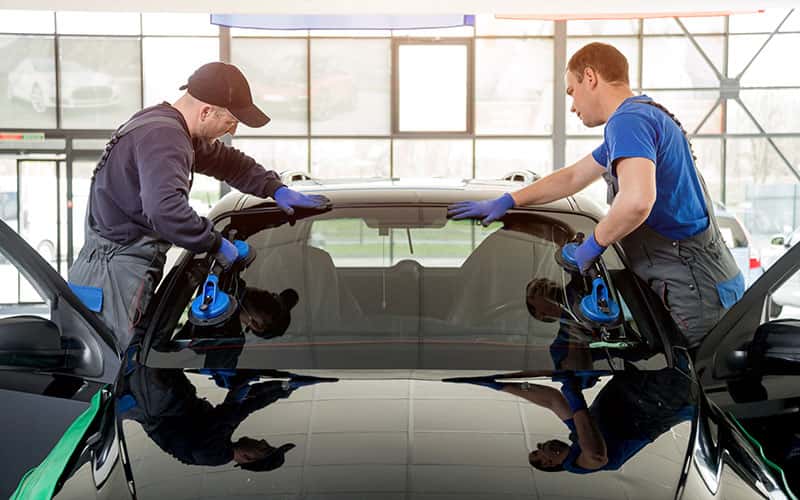
I’ve spent more than ten years working as a certified auto glass and sunroof technician in Mississauga, and very few repairs generate as much confusion as sunroof repair—especially when drivers are trying to figure out whether a sunroof is covered under insurance. The damage itself is often obvious. The coverage question rarely is.

Auto Glass Repair | StoneChip Repair | Windshield Repair Mississauga

One of the earliest sunroof jobs that stuck with me involved a vehicle that came in after a heavy overnight storm. The owner noticed water dripping from the overhead console and assumed the glass had failed. In reality, the glass was intact; the drain channels were clogged with debris. That repair was relatively simple, but the insurance conversation wasn’t. Because there was no sudden impact or breakage, the issue didn’t qualify the way the customer expected. That experience taught me how important the cause of damage is—not just the result.

In my experience, insurance coverage usually hinges on how the sunroof was damaged. I’ve replaced shattered sunroof glass after falling debris or vandalism, and those situations were typically treated very differently from wear-related failures. A customer last spring came in after a branch cracked the sunroof panel during high winds. The glass damage was clear and sudden, and the replacement process reflected that. Compare that to another vehicle I worked on where the track mechanism failed over time, stressing the glass until it wouldn’t close properly. That wasn’t an insurance situation, even though the repair cost was significant.

What many drivers don’t realize is that sunroofs are complex systems. The glass, tracks, motors, seals, and drains all work together. I’ve seen insurance-approved glass replacements fail later because underlying mechanical issues weren’t addressed at the same time. That’s why I always advise against focusing only on whether something is “covered.” The more important question is whether the repair restores proper operation and sealing.

A common mistake I see is waiting too long after the first signs of trouble. Small leaks, hesitation when opening, or grinding noises are often ignored until the problem escalates. I’ve worked on sunroofs where a minor adjustment early on could have prevented glass stress and eventual breakage. Once the glass cracks, the repair conversation—and the cost—changes entirely.

From my perspective, whether a sunroof is covered under insurance depends less on the part and more on the story behind the damage. Sudden, external events are treated very differently from gradual failures. Understanding that distinction helps drivers set realistic expectations before repairs even begin.

After years in this trade, I’ve learned that sunroof repairs are rarely just about glass. They’re about diagnosing the full system, addressing the root cause, and making sure the fix actually lasts. When that’s done right, the sunroof goes back to being what it should be—quiet, sealed, and something you don’t have to think about every time it rains.

Why I Still Recommend a V Part Wig—With a Few Conditions

I’ve worked as a licensed cosmetologist and wig specialist for a little over ten years, most of that time split between salon work and private fittings for clients dealing with thinning hair, postpartum shedding, or protective styling fatigue, v part wig weren’t even on my radar early in my career. Back then, closures and sew-ins dominated the conversations. The first time I seriously worked with a V part wig was on a long-time client who didn’t want lace anywhere near her hairline after a bad install left her edges tender for weeks.

V Part Wigs – Natural Look, Glueless Comfort

A V part wig, when chosen and installed correctly, can look convincingly natural because it allows your own hair to be visible through the part. That sounds simple, but it also means the wig exposes every mistake—density mismatches, wrong texture, poor blending. I’ve seen them look incredible, and I’ve seen them look painfully obvious. The difference usually comes down to expectations and prep, not the wig itself.

One of the first mistakes I see is people assuming a V part wig is “easier” than other options. In practice, it can be more demanding. I remember a client last spring who ordered a sleek straight V part wig to wear over her natural 4B hair without heat. She loved the idea of skipping lace, but when she came in frustrated, the issue was obvious the moment I touched it. The textures were fighting each other. We ended up either heat-styling her leave-out or switching to a kinkier texture. Once that matched, the wig suddenly made sense.

Texture alignment is non-negotiable. Density is close behind. Many off-the-rack V part wigs are fuller than most people’s natural part. In the salon, I often thin the wig slightly around the opening so the client’s own hair doesn’t disappear visually. That’s not something you notice in product photos, but it matters the second you part your hair in real life.

Another thing I’m careful about is who I recommend these wigs to. If someone has very fragile edges or significant thinning along the part, I usually advise against a V part wig, at least temporarily. The clips sit close to that opening, and repeated tension in the same spot can make things worse. I’ve had better results moving those clients toward glueless lace or even taking a break from wigs entirely while we focus on regrowth.

That said, for clients who want a break from adhesive and still want a natural-looking part, V part wigs are one of the most practical options available. I have clients who wear them three or four times a week, remove them nightly, and maintain healthy hair underneath. One woman I’ve worked with for years keeps two identical V part wigs—same length, same texture—and rotates them. She washes one while wearing the other, and her natural hair has actually thickened over time because she’s manipulating it less.

Installation matters more than most people realize. I always tell clients not to force the V opening wider than it’s designed to be. That stretching weakens the base and makes the part look unnatural. A clean, narrow leave-out, lightly pressed or defined to match the wig, almost always looks better than trying to show more scalp.

After a decade in this work, my opinion is pretty settled. A V part wig isn’t a shortcut, and it isn’t for everyone. But in the right hands, with realistic expectations and proper blending, it’s one of the few wig options that can look natural without glue, lace, or long install times. When clients understand that upfront, they’re usually happy with the choice—and they come back with their own hair in better shape than when they started.