I’ve spent over a decade working as an Orthodontist in Monmouth County, NJ, and if there’s one thing I’ve learned, it’s that no two patients walk through the door with the same concerns—even when they think they do. Whether someone is coming in for their first consultation as a teenager or finally addressing long-standing alignment issues as an adult, the questions and expectations are shaped by real life, not textbook examples.
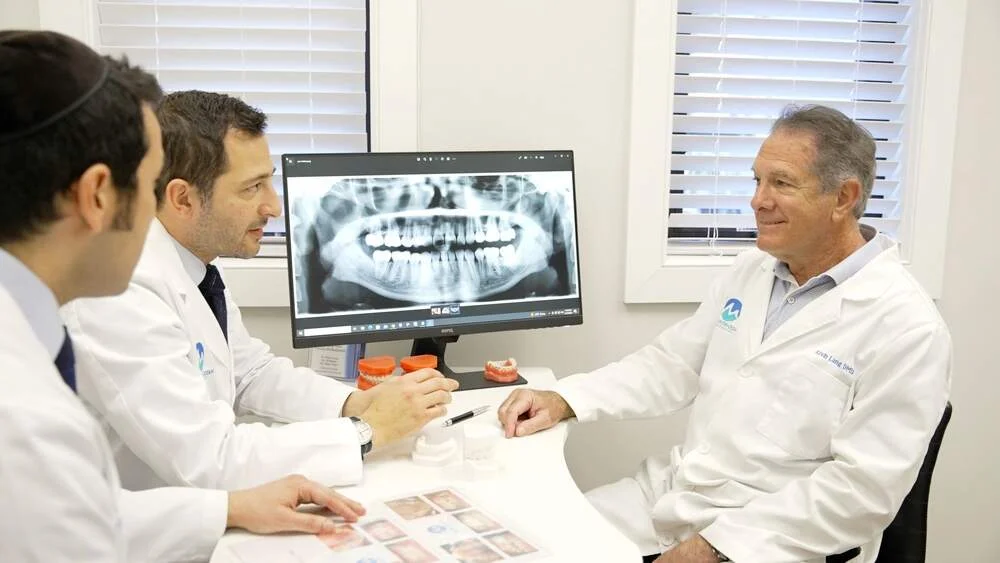
Early in my career, I assumed most people cared primarily about how straight their teeth would look at the end. Experience corrected that quickly. A parent once brought in their son after switching practices because his braces kept breaking during lacrosse season. Another patient, a working professional, worried less about appearance and more about speech clarity during meetings. Those conversations changed how I approach treatment planning. Being an orthodontist in Monmouth County means balancing clinical precision with the realities of school schedules, commutes, sports, and work demands.
I’ve found that many people underestimate how much the initial consultation matters. I’ve seen patients arrive after being told elsewhere that they “just need braces,” without any discussion of jaw alignment, bite pressure, or long-term stability. In my own practice, I slow that part down. I remember a case from a few years ago where minor crowding masked a deeper bite imbalance. Addressing only the visible issue would have created problems down the line. That’s the kind of decision that only comes from seeing outcomes years later, not weeks.
One common mistake I still encounter is assuming all orthodontic options work the same way. Clear aligners, for example, can be effective, but they aren’t automatic solutions. I’ve treated patients who came in frustrated after aligners failed simply because compliance wasn’t realistic for their lifestyle. In those situations, I’m honest—even if it means recommending against a popular option. Long-term results matter more than convenience in the short term.
Practicing in this area has also taught me how different adult orthodontics can be. Many adults carry old dental work, shifting teeth, or jaw tension they’ve adapted to over time. I’ve had patients tell me they thought discomfort was “just normal.” It isn’t. Correcting alignment often improves chewing efficiency, reduces uneven wear, and eases strain people didn’t realize they were carrying for years.
What I appreciate most about being an orthodontist in Monmouth County, NJ is the continuity. I’ve treated siblings years apart, and now I’m seeing some former teenage patients bring in their own kids. That long view reinforces why careful planning and honest guidance matter. Orthodontics isn’t about rushing to an end result—it’s about setting someone up for decades of comfort and function.
After years of hands-on work, I trust experience more than trends. Straight teeth are part of the goal, but stability, comfort, and realistic expectations are what define successful treatment in the long run.