I’ve worked as a licensed cosmetologist and wig specialist for a little over ten years, most of that time split between salon work and private fittings for clients dealing with thinning hair, postpartum shedding, or protective styling fatigue, v part wig weren’t even on my radar early in my career. Back then, closures and sew-ins dominated the conversations. The first time I seriously worked with a V part wig was on a long-time client who didn’t want lace anywhere near her hairline after a bad install left her edges tender for weeks.
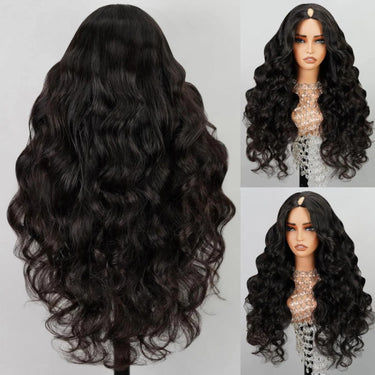
A V part wig, when chosen and installed correctly, can look convincingly natural because it allows your own hair to be visible through the part. That sounds simple, but it also means the wig exposes every mistake—density mismatches, wrong texture, poor blending. I’ve seen them look incredible, and I’ve seen them look painfully obvious. The difference usually comes down to expectations and prep, not the wig itself.
One of the first mistakes I see is people assuming a V part wig is “easier” than other options. In practice, it can be more demanding. I remember a client last spring who ordered a sleek straight V part wig to wear over her natural 4B hair without heat. She loved the idea of skipping lace, but when she came in frustrated, the issue was obvious the moment I touched it. The textures were fighting each other. We ended up either heat-styling her leave-out or switching to a kinkier texture. Once that matched, the wig suddenly made sense.
Texture alignment is non-negotiable. Density is close behind. Many off-the-rack V part wigs are fuller than most people’s natural part. In the salon, I often thin the wig slightly around the opening so the client’s own hair doesn’t disappear visually. That’s not something you notice in product photos, but it matters the second you part your hair in real life.
Another thing I’m careful about is who I recommend these wigs to. If someone has very fragile edges or significant thinning along the part, I usually advise against a V part wig, at least temporarily. The clips sit close to that opening, and repeated tension in the same spot can make things worse. I’ve had better results moving those clients toward glueless lace or even taking a break from wigs entirely while we focus on regrowth.
That said, for clients who want a break from adhesive and still want a natural-looking part, V part wigs are one of the most practical options available. I have clients who wear them three or four times a week, remove them nightly, and maintain healthy hair underneath. One woman I’ve worked with for years keeps two identical V part wigs—same length, same texture—and rotates them. She washes one while wearing the other, and her natural hair has actually thickened over time because she’s manipulating it less.
Installation matters more than most people realize. I always tell clients not to force the V opening wider than it’s designed to be. That stretching weakens the base and makes the part look unnatural. A clean, narrow leave-out, lightly pressed or defined to match the wig, almost always looks better than trying to show more scalp.
After a decade in this work, my opinion is pretty settled. A V part wig isn’t a shortcut, and it isn’t for everyone. But in the right hands, with realistic expectations and proper blending, it’s one of the few wig options that can look natural without glue, lace, or long install times. When clients understand that upfront, they’re usually happy with the choice—and they come back with their own hair in better shape than when they started.